
Peptide basics
General guides to peptides: what they are, how GLP-1 drugs work, what research peptide means, legal status, side effects, storage and half-life.
The general peptide guides set up the concepts before any single compound: what a peptide is and how it differs from a protein, the types of peptides, whether peptides are legal, their side effects, what the GLP-1 hormone does and how half-life determines dosing intervals.
Legal status is explained with Türkiye as the reference point and compared with the EU, the US and the WADA list. Licensed peptide medicines such as insulin and GLP-1 drugs are kept apart from unlicensed research peptides throughout.
The storage guide only summarizes the product information of licensed GLP-1 pens; no usage information is given for unlicensed vials. This group explains the language and evidence criteria used across the peptide guides. A suggested order for new readers: what a peptide is, then whether peptides are legal, then the guide and side-effect page of the compound you are interested in.
Are peptides legal?
The legal status of peptides varies by substance: licensed peptide drugs are legal within the physician and pharmacy chain; the manufacture, sale, and commercial import of unlicensed “research peptides” can constitute a crime in Türkiye under Law No. 1262.
Storing peptides
Storage conditions for licensed peptide drugs are defined in each product’s SmPC (Turkish KÜB) and patient leaflet. The shared framework for GLP-1 pens in Türkiye: 2–8 °C before first use, then a product-specific period below 30 °C, away from light and without freezing.
Peptide side effects
Peptide side effects are two separate questions depending on the product’s status: for licensed peptide drugs, side effects have been measured in clinical trials and written in the product information; for unlicensed peptides, uncertainty about content, purity, and sterility is added to the substance’s own effects.
Types of peptides
Peptides are grouped by function (hormone, growth hormone secretagogue, antimicrobial, cosmetic, mitochondrial), by legal status (licensed, experimental, cosmetic, unlicensed), and by route of administration. The group a peptide belongs to determines what is known about it.
What are peptides?
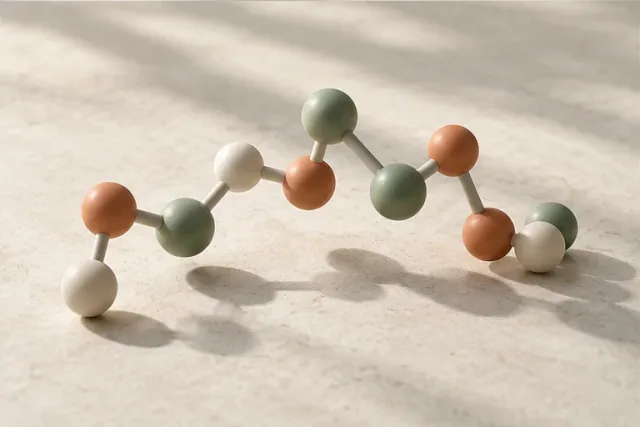
A peptide is a molecule formed when amino acids join into a short chain. Many hormones, such as insulin, oxytocin, and GLP-1, are peptides; synthetic counterparts of some of them are used as licensed drugs.

What does half-life mean?
Half-life (t½) is the time it takes for the concentration of a substance in the blood to fall by half. This time largely determines how often a drug is given, when it reaches steady state with regular use, and how long it stays in the body after it is stopped.
What is a research peptide?
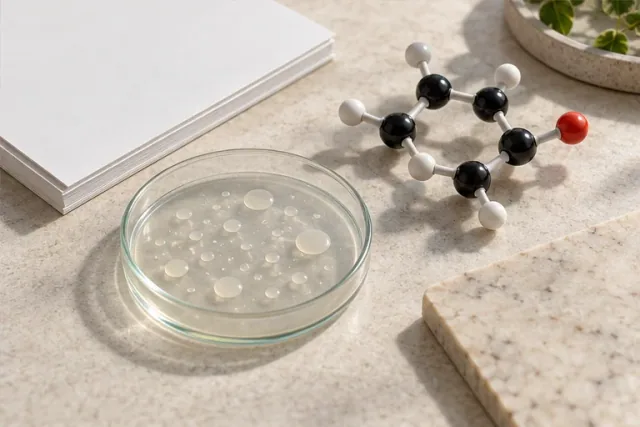
“Research peptide” is a term used for peptide products sold online, mostly with a “for research use only, not for human use” label, that have not undergone a quality, safety, and efficacy assessment by any medicines authority. It is not the same as products used in clinical trials.
What is GLP-1?
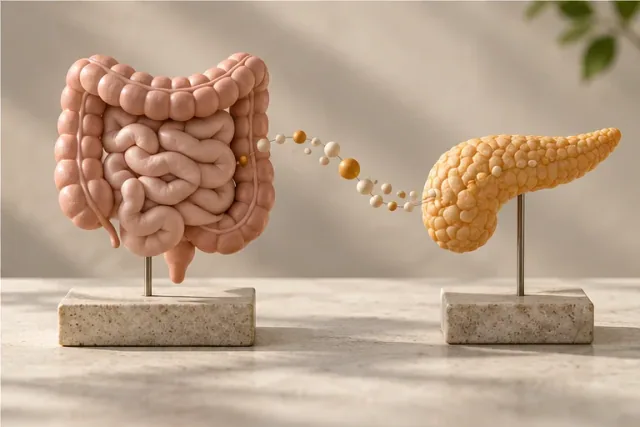
GLP-1 (glucagon-like peptide-1) is a hormone released from L cells in the small intestine after a meal. Depending on blood sugar, it increases insulin secretion, suppresses glucagon, slows gastric emptying, and contributes to the regulation of appetite; it is broken down in the blood within a few minutes.