Minerals
Main guides to magnesium, zinc, iron, calcium, selenium, iodine and potassium: who needs them, deficiency signs, timing and what the evidence says.
Mineral guides cover magnesium, zinc, iron, calcium, iodine, selenium and potassium. Unlike vitamins, mineral blood tests are often misread: serum magnesium or zinc does not reliably reflect low intake, ferritin rises with inflammation, and the thresholds for potassium and calcium mark emergencies rather than nutrition status. Each guide explains what the test can and cannot show.
The most read guides are magnesium, iron and zinc. Differences between forms, foods that block or help absorption, and spacing from medicines are covered in the sub-guides with tables.
Sources are NIH, EFSA, WHO and official Turkish publications where Türkiye-specific data exist, such as the mandatory iodized-salt programme. Symptoms that suggest a mineral deficiency, such as fatigue, cramps or hair loss, are not diagnostic on their own; each guide explains which test is meaningful and when.
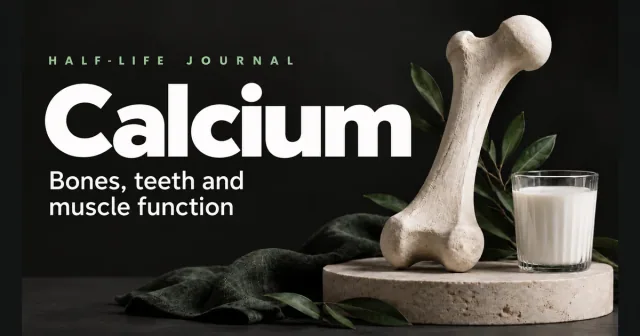
Calcium
- Bones and teeth: It is the main component of the hard mineral structure of bones and teeth.
- Muscle function: It takes part in the cellular signals that make muscles contract.
- Nerve conduction: It takes part in communication between nerve cells.
- Blood clotting: It plays a role in the clotting process that stops bleeding.
Chromium
- Insulin action: It has been suggested that trivalent chromium may play a role in carbohydrate, lipid, and protein metabolism by enhancing insulin action; the mechanism has not been definitively established.
- The essentiality debate: FNB counted chromium as essential in 2001; EFSA concluded in 2014 that there is no convincing evidence that it is essential.
Copper
- Energy and iron metabolism: As a cofactor of cuproenzymes, it takes part in energy production and iron metabolism; ceruloplasmin carries more than 95% of plasma copper.
- Connective tissue and nervous system: It is required for enzymes involved in connective tissue synthesis, neuropeptide activation, and neurotransmitter synthesis.
- Antioxidant defense and pigmentation: Copper-containing superoxide dismutases form the basis of defense against oxidative damage; copper also participates in pigmentation and immune function.
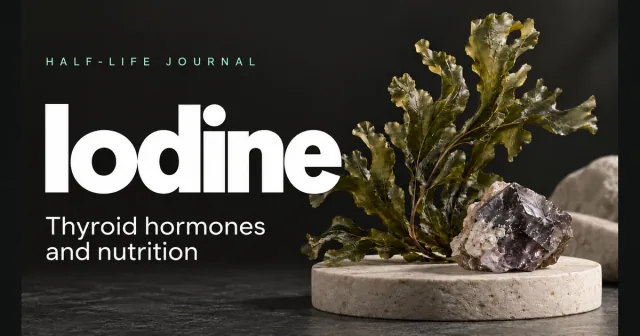
Iodine
- Thyroid hormones: Becomes part of the structure of the T3 and T4 hormones produced by the thyroid.
- Metabolism: Contributes, through thyroid hormones, to regulating energy use and metabolic rate.
- Brain and growth: Required for normal brain and skeletal development, particularly in pregnancy and infancy.
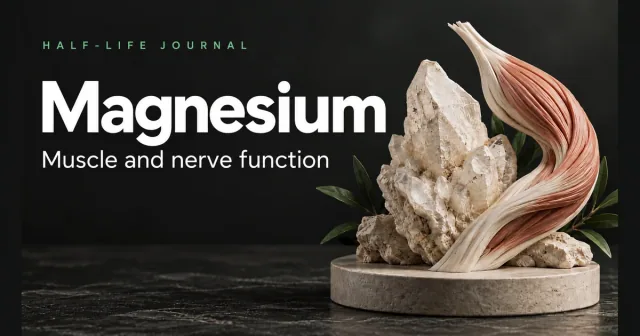
Magnesium
- Energy production: Helps enzymes involved in how cells produce and use energy.
- Muscle and nerves: Plays a role in the mineral movements needed for muscle contraction and nerve transmission.
- Protein and DNA production: Takes part in producing proteins and genetic material.
- Bone structure: Contributes to the development and mineral structure of bone tissue.
Manganese
- Antioxidant defense: As a cofactor of enzymes such as manganese superoxide dismutase, it takes part in the clearance of reactive oxygen species.
- Metabolism: Through enzymes such as arginase and pyruvate carboxylase, it plays a role in amino acid, cholesterol, glucose, and carbohydrate metabolism.
- Bone and clotting: It is a cofactor of enzymes involved in bone formation; together with vitamin K, it also plays a role in blood clotting.
Molybdenum
- Sulfite and sulfur-containing amino acids: Through the molybdopterin cofactor, sulfite oxidase takes part in the metabolism of sulfur-containing amino acids.
- Purines and pyrimidines: Xanthine oxidase and aldehyde oxidase take part in the metabolism of heterocyclic compounds such as purines and pyrimidines.
- Drug and toxin metabolism: Xanthine oxidase, aldehyde oxidase, and mARC enzymes also take part in the metabolism of drugs and toxins.
Phosphorus
- Bone and tooth structure: Together with calcium, it forms hydroxyapatite, the main structural component of bone and tooth enamel; 85% of the body’s phosphorus is in bones and teeth.
- Energy and cell membrane: It is a component of ATP and is part of the cell membrane structure as phospholipid.
- Genetic material and enzyme regulation: It is a component of DNA and RNA; many proteins are phosphorylated, which plays a role in regulating gene transcription and activating enzymes.

Potassium
- Fluid balance: Helps maintain the fluid volume inside cells and electrical balance.
- Nerve conduction: Takes part in nerve cells generating electrical signals.
- Muscle and heart: Required for skeletal muscle contraction and the normal electrical functioning of the heart.

Iron
- Oxygen transport: Forms part of hemoglobin and enables oxygen to be carried from the lungs to the tissues.
- Supplying oxygen to muscles: Is found in the structure of myoglobin, which holds oxygen in muscles.
- Cellular processes: Takes part in growth, development of the nervous system and the making of some hormones.

Selenium
- Antioxidant defense: It is found in the structure of selenoproteins that protect cells against oxidative damage.
- Thyroid hormones: It plays a role in converting T4 hormone into its active T3 form.
- DNA and reproduction: It takes part in proteins necessary for DNA synthesis and normal reproductive function.

Zinc
- Immunity: Needed for the development and normal function of immune cells.
- Tissue repair: Takes part in wound healing and the formation of new tissue.
- Protein and DNA production: Takes part in protein building, DNA synthesis and cell division.
- Taste: Plays a role in the normal function of the sense of taste.