Botanicals
Main guides to botanical supplements such as ashwagandha, rhodiola, curcumin, green tea and berberine: evidence, liver safety and legal status in Türkiye.
The botanicals group covers ashwagandha, curcumin, rhodiola, berberine, resveratrol and green tea extract. Two questions dominate: is the extract used in trials the same as the product on the shelf, and what is known about liver safety. Each guide covers standardization, counterfeit products and reported liver injury cases.
Ashwagandha (stress and sleep claims), curcumin (knee osteoarthritis evidence) and berberine (“nature’s metformin”) are the most searched. For each, the population studied, funding and the limits of the evidence are stated.
European and Turkish regulatory warnings are included. Being botanical does not mean being safe; drug interactions and pregnancy warnings have their own section in every guide. Because extract dose, standardization and duration differ from trial to trial, numbers in the guides always come with their source; the pages do not compare products.
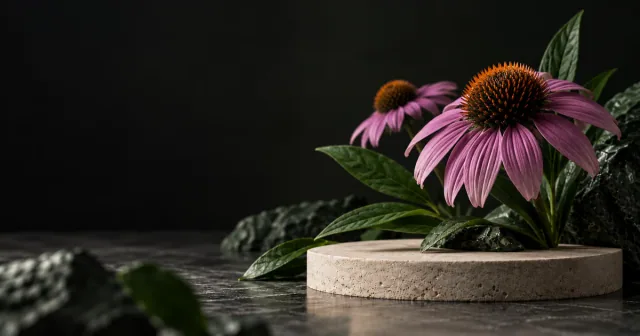
Echinacea
- A plant genus, not a nutrient: Echinacea is a plant genus in the Asteraceae family; it has no required function in the body and no deficiency.
- Products differ from one another: The composition of products sold under the name Echinacea varies markedly with plant material, extraction method, and added components.
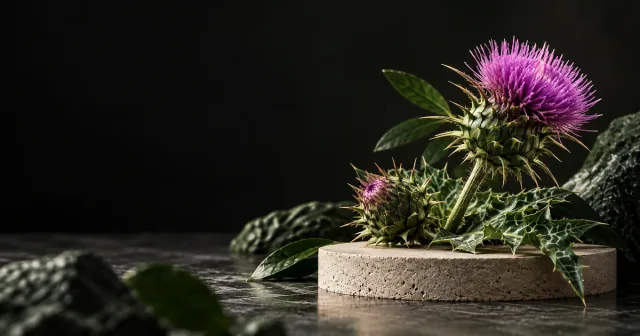
Milk thistle
- Silymarin mixture: The main component of milk thistle extract is silymarin, a mixture of compounds; it is not a nutrient and has no required function in the body.
- Traditional use: It has been used historically for liver diseases and to increase breast milk.
Resveratrol
- Energy and stress response: Effects on the pathways through which cells use energy and respond to stress are investigated.
- Cellular regulation: Processes linked to sirtuins are examined in experimental models; it has not been shown to slow aging in humans.
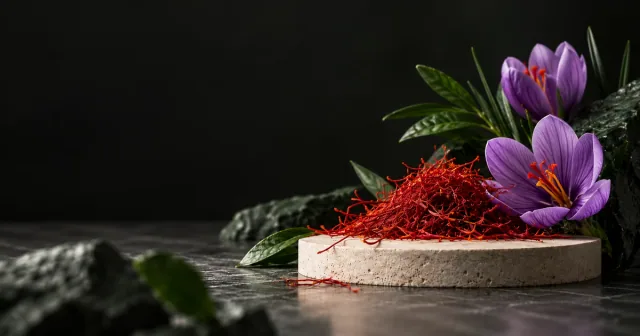
Saffron
- Stigma part of the flower: Saffron is the stigma of the Crocus sativus flower; it is not a nutrient and has no required function or deficiency in the body.
- Mood area studied: In mild-to-moderate depression, there are RCTs and meta-analyses comparing with placebo and antidepressants; measurement varies by self-report and clinician scales.
Ashwagandha
- Stress response: Its effects on the body's response to stress and on cortisol level are studied.
- Sleep: Its effects on falling asleep and on sleep pattern are examined; its mechanism in humans is not fully explained.
Berberine
- Glucose metabolism: Its effects on the body's use of glucose and on blood sugar regulation are being investigated.
- Fat metabolism: Its effects on the regulation of cholesterol and other blood fats are being examined.
Curcumin
- Inflammation signals: Its effects on pathways that regulate inflammation are examined in cell experiments.
- Oxidative processes: It affects oxidation-related reactions in the laboratory; these findings do not directly mean a benefit in humans.
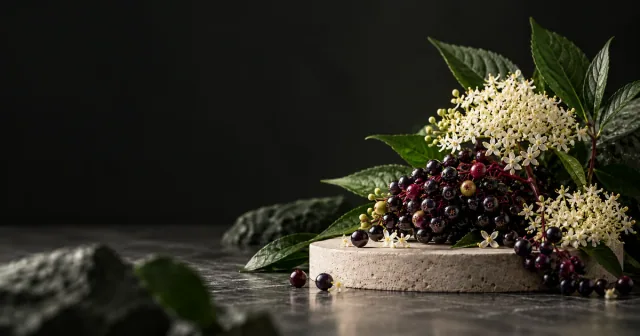
Elderberry
- Herbal fruit and flower: The dark purple fruit of the black elder tree is traditionally used for colds and flu; it is not a nutrient and has no required function in the body.
- Cooking and toxin: The cyanide-producing substances in raw or unripe fruit and in the leaves and stems are eliminated by cooking.
Ginkgo Biloba
- Herbal leaf extract: The form most used in supplements is the extract of ginkgo leaf; it has no required function or deficiency in the body.
- Distinguishing biological rationale from evidence: The idea that neuroprotective effects are biologically plausible is a rationale; clinical outcomes have been measured separately in human studies.
Ginseng
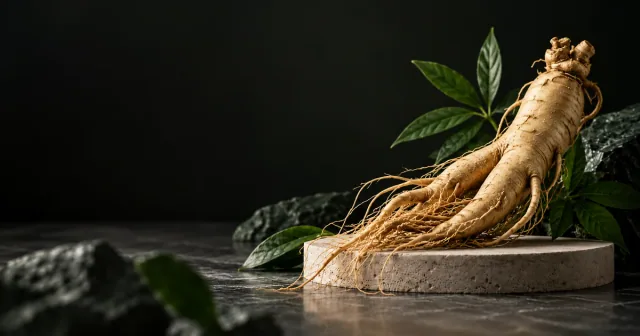
- A herbal root, not a nutrient: The main active compound group in Panax ginseng root is the ginsenosides; it has no required function or deficiency in the body.
- Traditional “adaptogen” use: Used in traditional Chinese medicine as a calming agent and adaptogen; adaptogen is the idea of helping resistance to stress, not a measured outcome.
- Scale of human studies: Most clinical studies have fewer than 200 participants and last less than 3 months.
Green tea
- Alertness: The caffeine it contains increases alertness by blocking adenosine signals in the brain.
- Oxidative processes: The effects of catechins on cellular reactions related to oxidation are studied.
Rhodiola
- Stress response: How it affects the mental and physical stress response is studied.
- Fatigue: Its effect on stress-related fatigue is examined; the mechanism of action in humans has not been established.
Saw Palmetto
- Herbal fruit extract: Serenoa repens fruit extract is not a nutrient; it has no required function or deficiency in the body.
- Purposes of use: It is marketed as a supplement for urinary symptoms due to prostate enlargement, male-pattern hair loss, and chronic prostatitis/pelvic pain.
Valerian
- Herbal root and rhizome: The root and rhizome of valerian are used for medicinal purposes; it has no required function or deficiency in the body.
- Possible sleep-inducing effect: A sleep-inducing effect is possible but has not been proven.